
Hidden Hanami: Cherry Blossoms in Japan
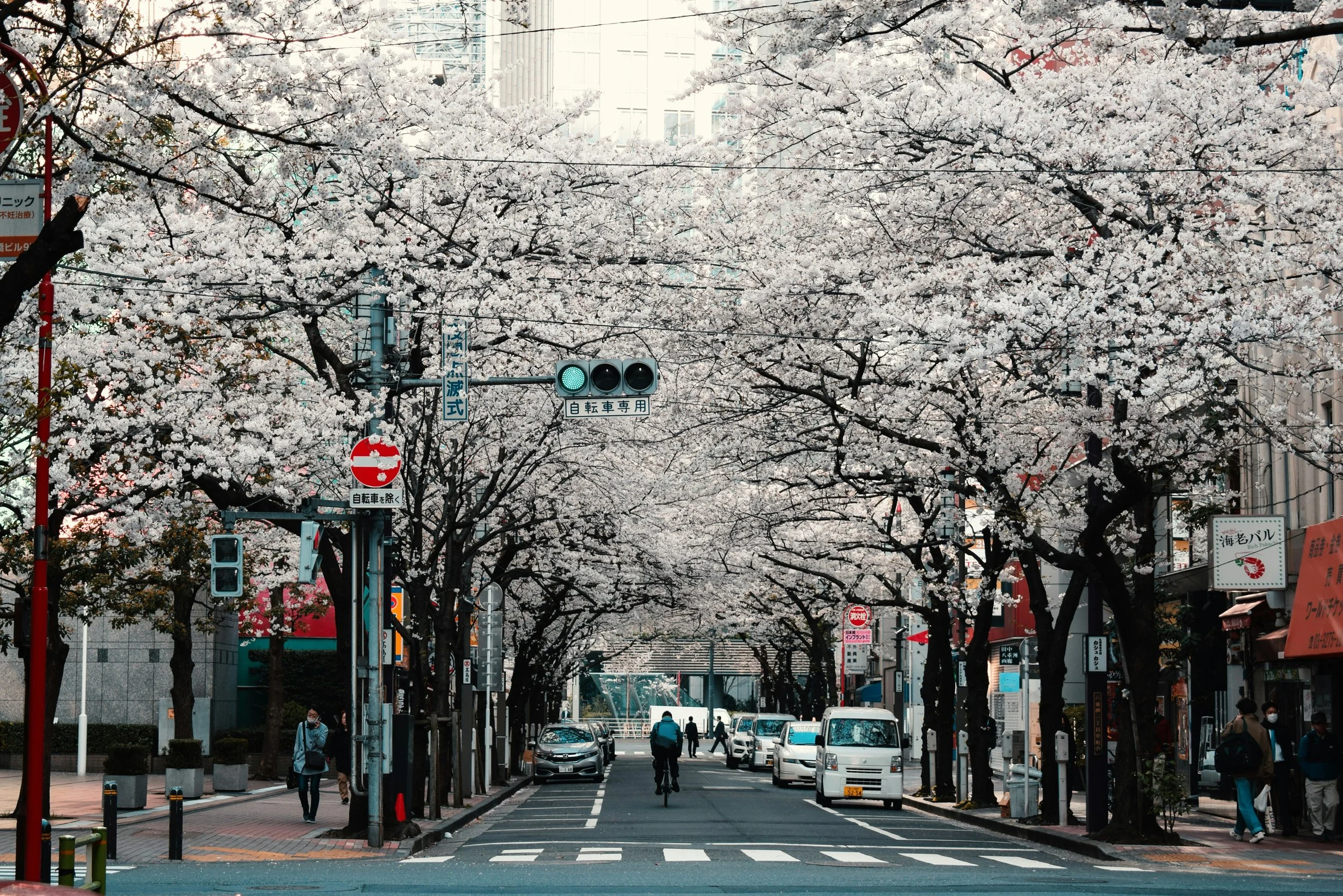
From March until May, cherry blossom season in Japan is a time of rebirth and admiration of beauty. The pink petals of cherry blossoms signal the beginning of spring and a peak season of tourism for the country. Crowds are a guarantee when traveling Japan at this time, as locals and tourists flock to marvel the blooms. In April of 2025, a record 3.91 million foreign visitors came to Japan (a 28% year-on-year increase).
The sharp rise in visitors is raising concerns of over tourism, as specific “picture perfect” spots are being increasingly overrun. For example, Fujiyoshida’s Akakurayama Sengen Park has one of the top-ranked Mount Fuji viewpoints and the city hosts a cherry blossom festival annually.
This festival draws around 200,000 visitors, with tourists causing chaos and blocking traffic. Fujiyoshida city officials have cancelled the 10th year of their popular cherry blossom festival to try to let local residents live normal lives.
But, this is still a vibrant time to visit Japan. Often, the best blooms aren’t the “top 10 must-see spots” and rather, those that invite you to slow down to appreciate their beauty. Venture outside of densely crowded Tokyo or Kyoto to see more of the magic of Japan.
It is important to note that Japan is divided into 47 prefectures, which are territories similar to states. This is the easiest way to identify where different cities are located in the country. Peak bloom times vary by elevation and climate. We recommend seeking out blooms off the Instagram path - read on to find out where to bask in the blossom-ness. To navigate from site to site with ease, you can use a Japan eSIM to stay connected while exploring Japan.
What makes cherry blossoms so significant?
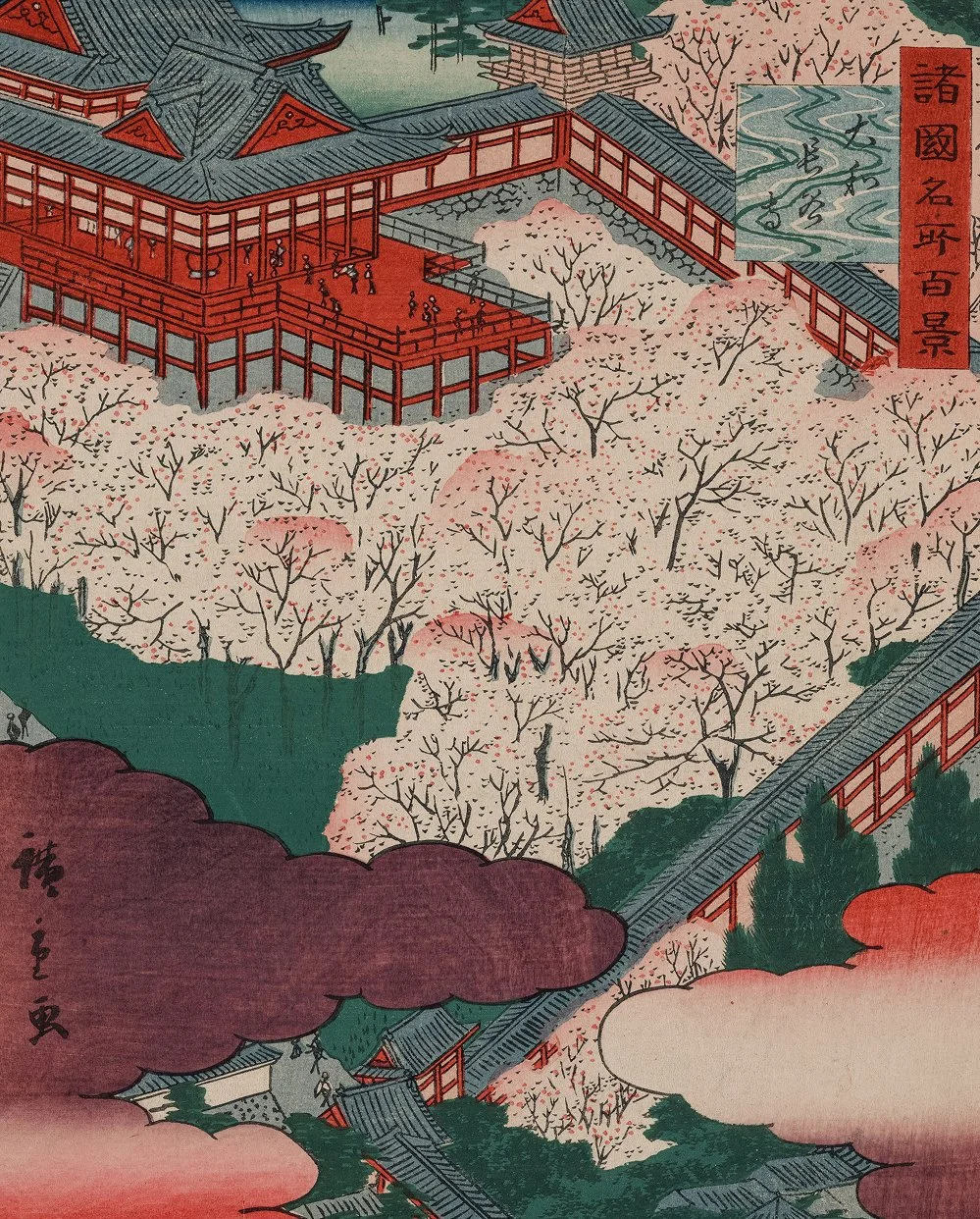
Sakura (the Japanese word for cherry blossom) are an integral part of Japanese culture. Cherry blossoms have rich history - they are the focal point of art from 1,200 years ago and are now an unofficial symbol of Japan.
These trees embody the Japanese belief of “mono no aware,” which translates to sensitivity to the pathos of things. More simply, embracing the emotions that come with the passing of experiences, time, or objects. The idea of impermanence is rooted in Shinto and Buddhist beliefs.
These beautiful flowering trees only bloom for 1-2 weeks and are admired all over Japan. The traditional way to celebrate the blooms is hanami, which translates to flower viewing. Hanami is picnics under the cherry blossom trees with family and friends.
Hitachi Seaside Park
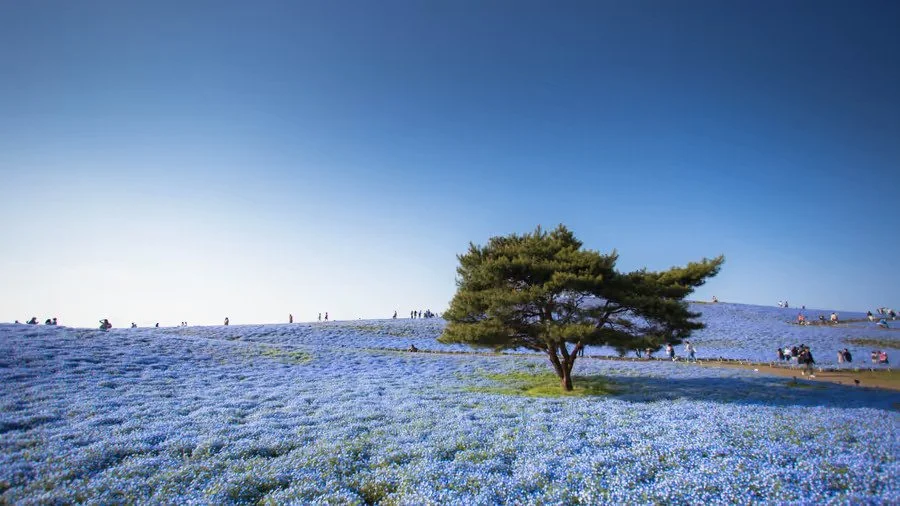
Hitachi seaside park is one of Japan’s most celebrated spring destinations. Escape the density of urban Tokyo to relish the wide-open landscape against the sea in this national park. Sakura viewing here is from early to mid-April.
Take a day trip to see the contrast of the vibrant blue nemophila against the pink of cherry blossoms. For adrenaline seekers, this park even has an amusement park!
Nara Prefecture
Nara Park
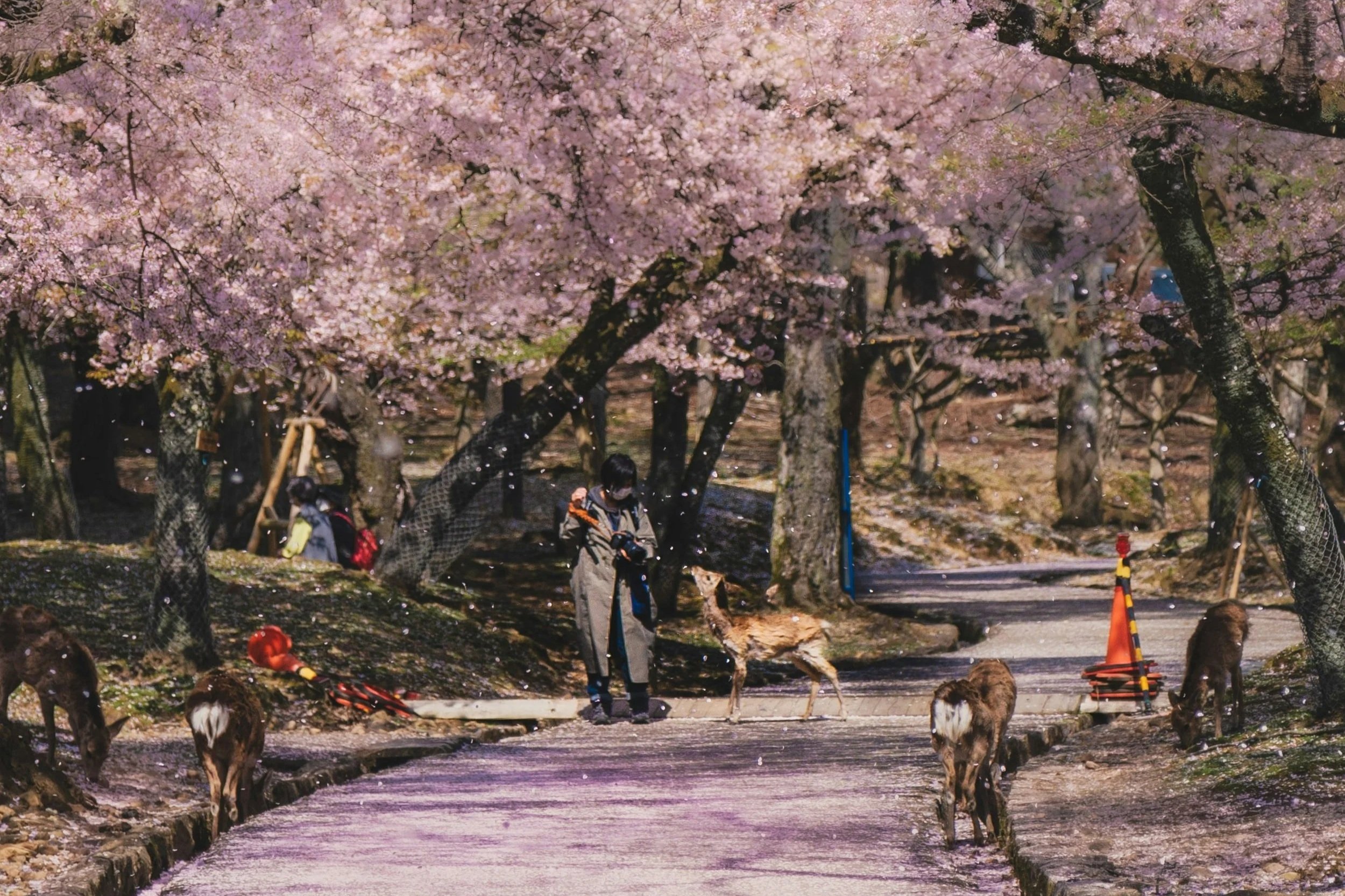
Explore Nara prefecture, where sakura bloom from late March to mid-April. This region is home to Nara Park, where over 1,000 Suki deer are protected as National Natural Treasures. Roam cherry blossom lined paths and interact with wildlife of Japan.
Mount Yoshinoyama
Mount Yoshinoyama is covered in over 30,000 cherry blossom trees. Changes in elevation allow sakura viewing over an extended period at its stunning outlooks. This mountain is a long-standing symbol of spring, ride the ropeway aerial tram line to see panorama pink hues.
💡 Day tip: book a driver by the hour to explore Nara at your own pace with a private driver.
Spring Sweets
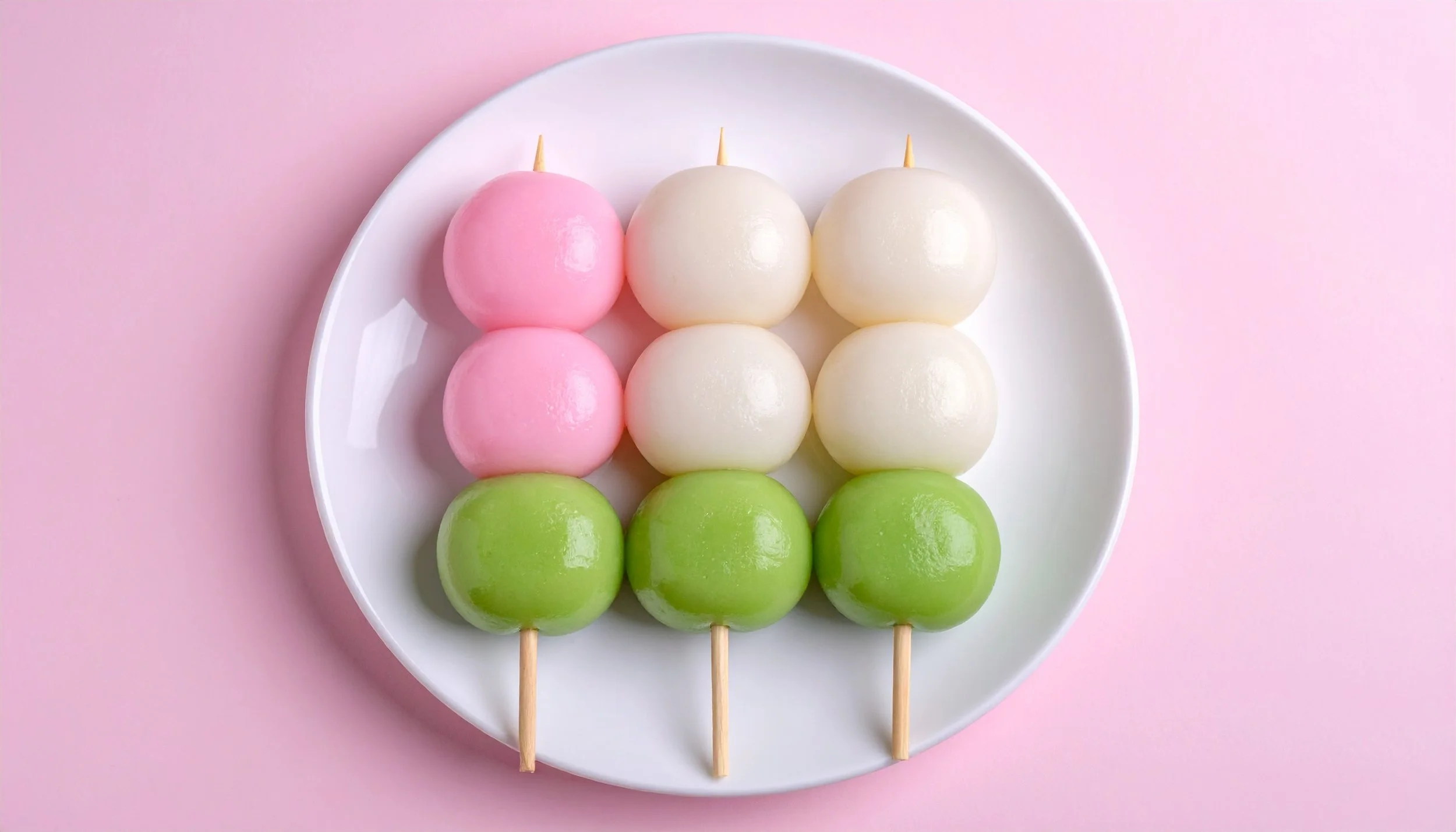
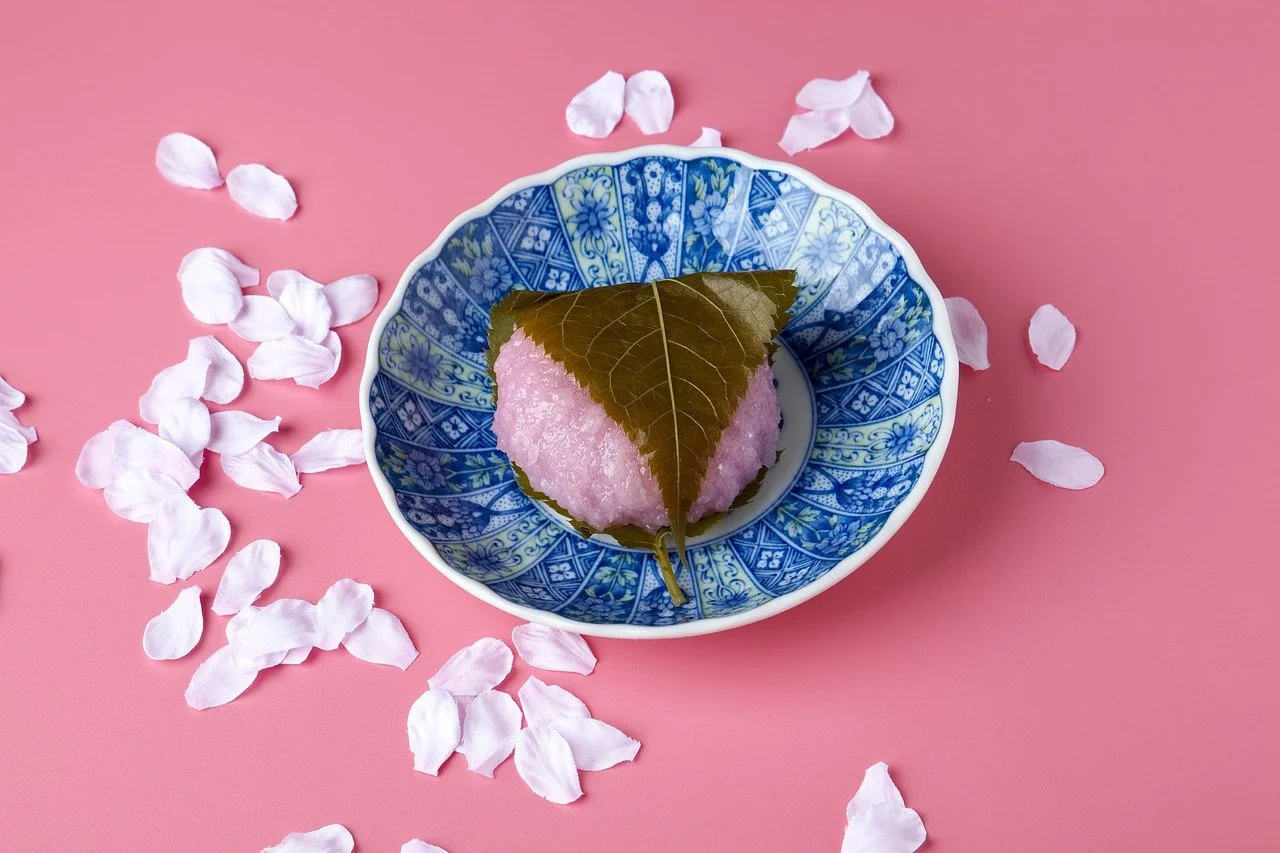
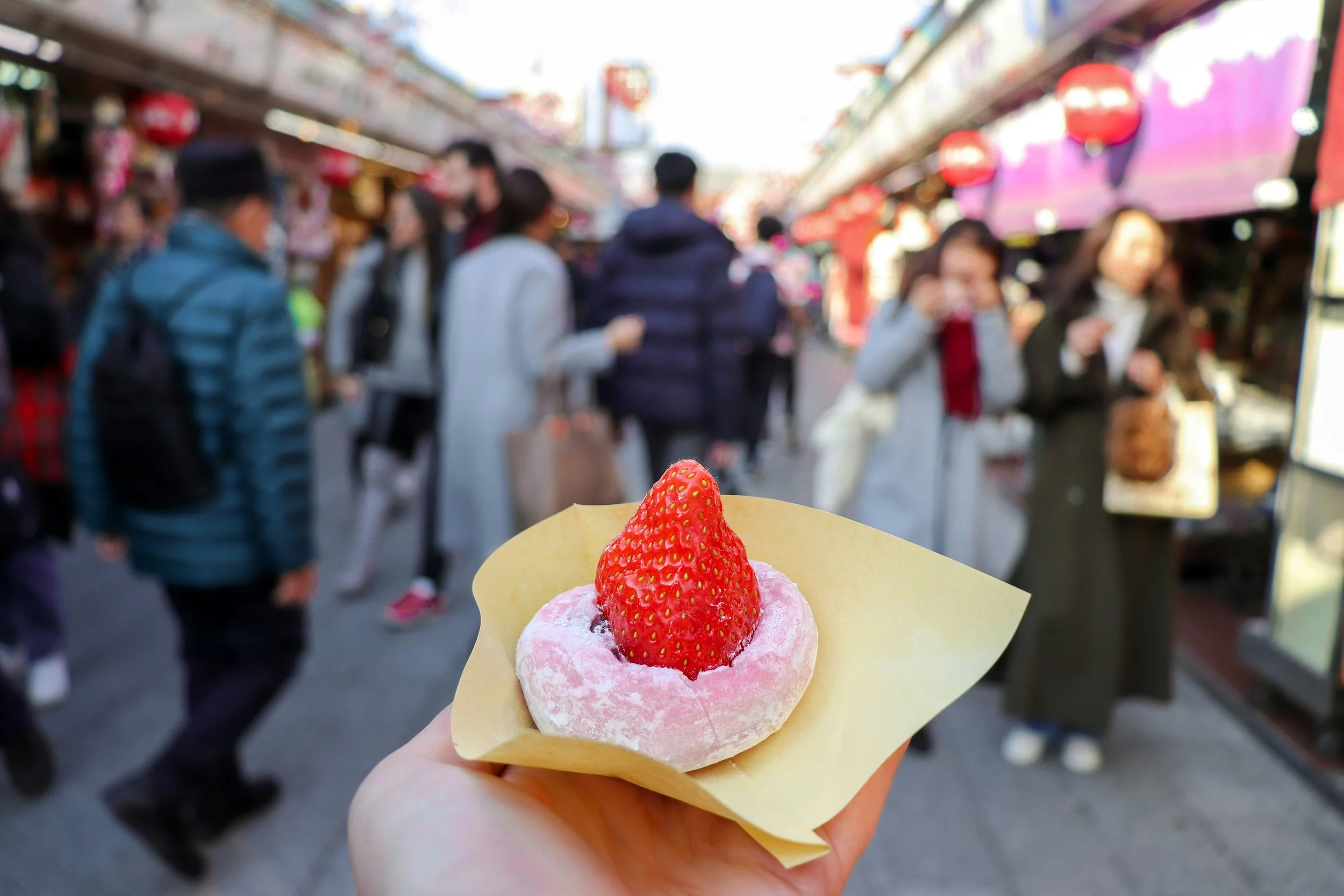
Japan culturally breaks down the calendar to honor fleeting changes. By dividing the year into 72 microseasons, the Japanese intentionally connect to nature. Yes, 72 microseasons! This system is based on the ancient Chinese 24 Solar Terms seasonal calendar of the sun’s position. It was then adapted by the Japanese their geography to align with subtle shifts in nature, such as ice melting, buds forming, and frogs singing.
In Japanese cuisine, chefs follow these approximately 5 day mini-seasons to showcase the freshest locally sourced ingredients. Spring is much anticipated in the culinary world. Be sure to try these spring sweets:
Hanami dango
Sakura mochi
Ichigo daifuku rice cakes
Any of these seasonal specialties can be difficult to find outside Japan, which is why Japanese snack subscription services have become popular among travelers looking to continue exploring regional flavors after returning home.
Kanagawa Prefecture
Yokohama and Kamakura
Under an hour drive from Tokyo is Yokohama, Japan’s second largest city. Day trip from Tokyo to experience the tranquility of Sankeien Garden’s teahouses. Yokohama has the world’s first ramen museum and Japan’s second-tallest building, Yokohama Landmark Tower. Sakura viewing in this region is from late March to early April.
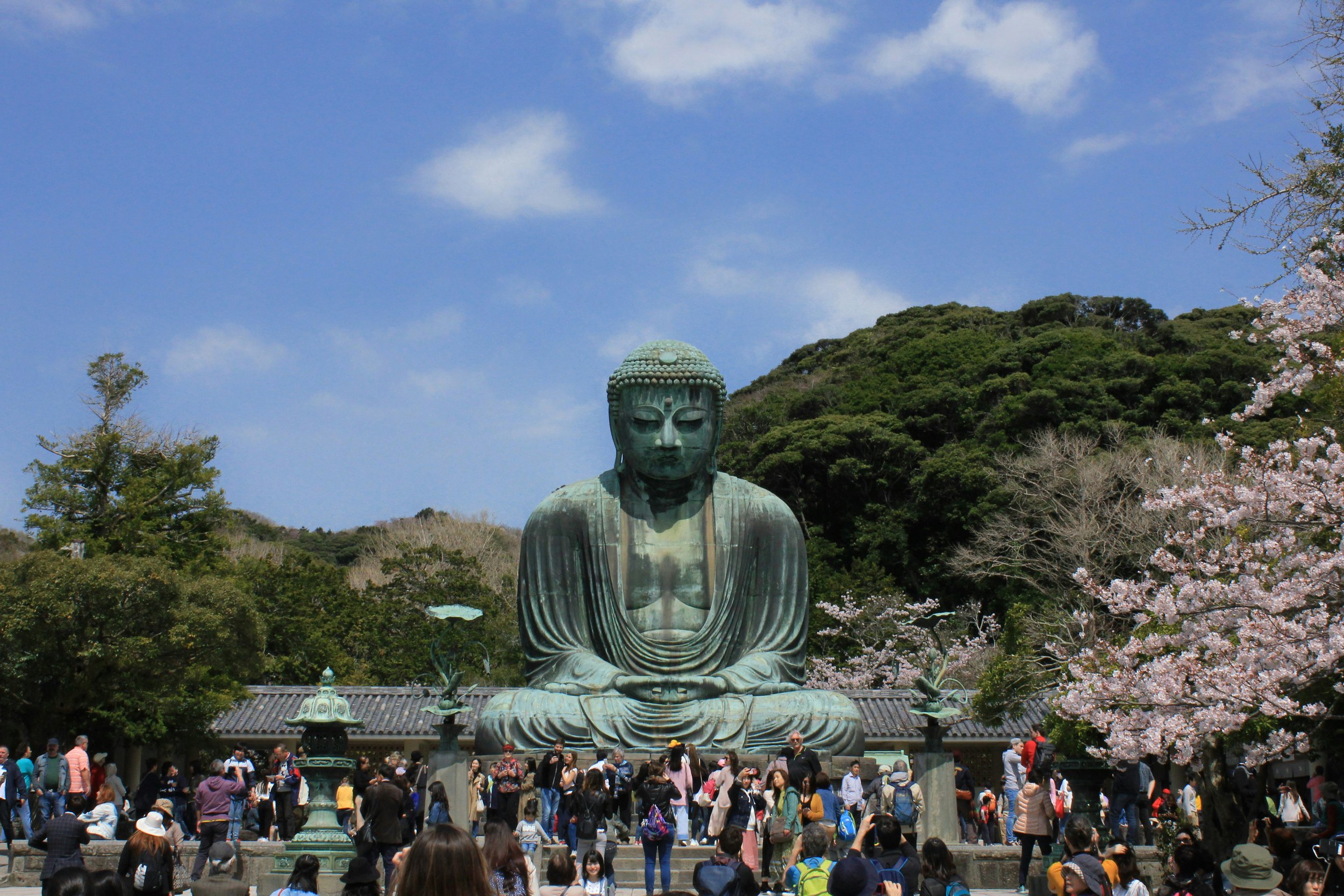
Then, move on to Kamakura, a seaside city full of rich heritage. Visit the Great Buddha of Kamakura and stroll cherry blossom lined pathways. Komachi-dori Street offers a mix of traditional restaurants, trendy cafes, confectioneries, souvenir shops, and upscale kimono stores.
Aomori Prefecture
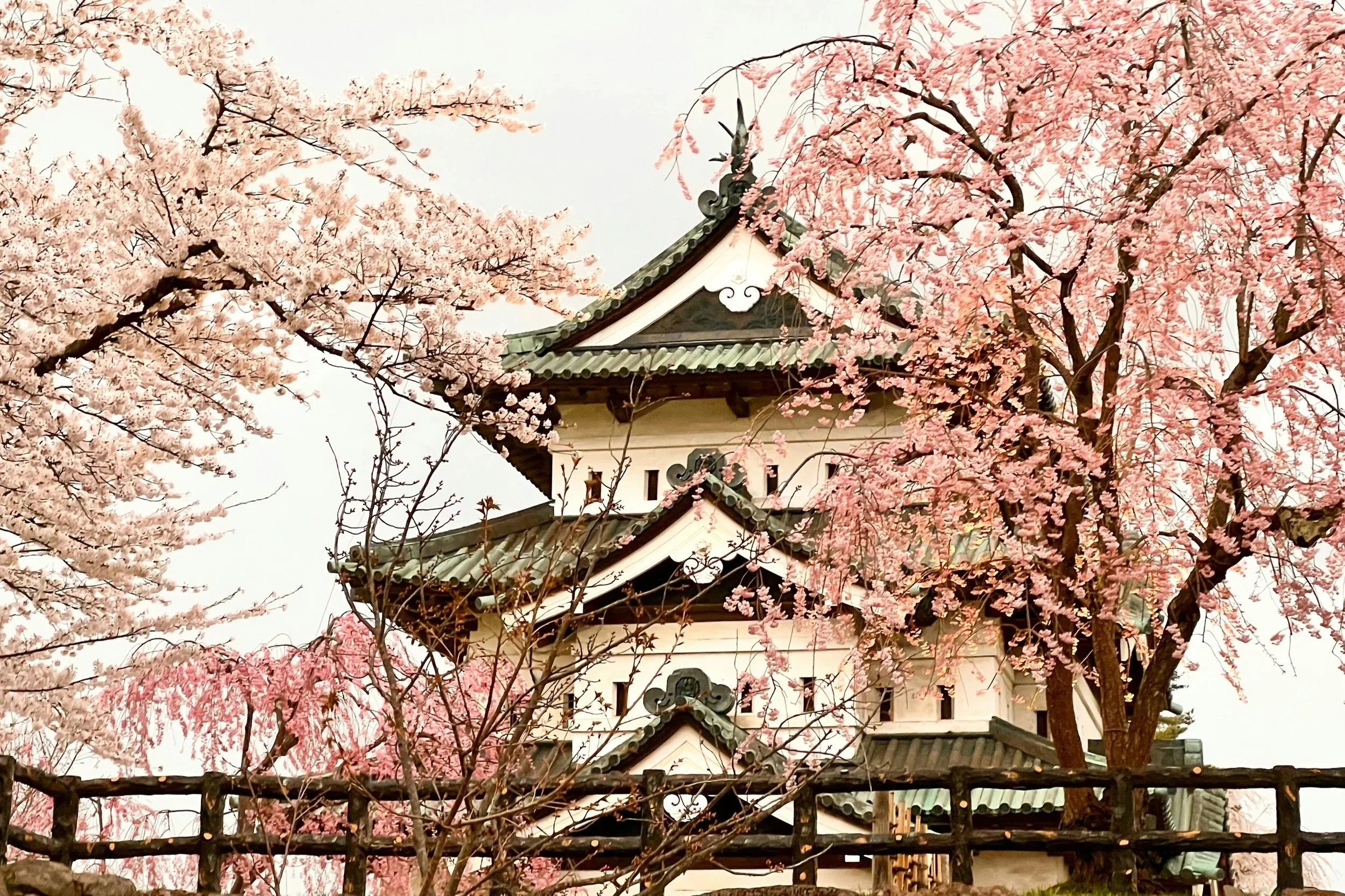
Hirosaki Park
Aomori, known for its apples, is one of the best places in Japan to view cherry blossoms. Hirosaki Park groundskeepers use the same apple pruning technique on the sakura, which makes blossoms double the volume than usual. Significantly later than Tokyo or Kyoto, sakura blooms in Aomori are from late April to early May.
The Hirosaki Cherry Blossom Festival is a perfect destination for hanami and trying local street food. This park is stunning day and night, with the trees being specially illuminated after sunset.
If timing your trip to the cherry blossoms feels like a gamble, you can book a customizable cultural itinerary, and explore well beyond the standard tourist trail, while working your visit around the shifting forecasts.
Are you a Travel Agent looking to book Daytrip for your clients?
Join the Daytrip Travel Agent community to earn commission or access exclusive discounts! Sign up here.